I find myself wanting to call and share my life with her. You know, just chit chat about the day. That I worked another accident as a police volunteer, where the cars were all smashed up. That I finally bought that special car. That I worked on the deck (again). That I played my violin at church. That I ran a 10K. That Sandy The Little White Dog ate her breakfast for a change. You know, important stuff.
Our lives are enriched when we share them with family. Good times. Hard times. Bad times. Sharing brings both perspective and peace.
The voice of a Mother, even from far away, brings us back to those days. When the toy trucks and cars roll in the sandbox. When freshly mixed Kool-Aid slakes your thirst. When the hot dog casserole nourishes an empty tummy, even with those green beans covered with mushroom soup. When an Arby’s jamocha shake is a reward for withstanding yet another violin lesson way over in west Knoxville.
The voice of a Mother sometimes speaks truth that you don’t want to hear. In college to earn my engineering degree, I found myself believing my musical skills and my jazz band were poised for greatness. Mom dropped what she was doing, drove three hours to meet me for dinner, and gently shared her guidance. She was right. I’m an engineer, not a jazz band musician ready to blow out of town and hit the road with my friends in a clapped out Chevy van. It was hard to hear, hard to accept, and yet without that voice my office wall wouldn’t have a picture of me graduating from Vandy. Or a 41-year career creating new and better gizmos.
I think Mom probably grew tired over the years. Not tired of listening to me, but just tired. Tired from sharing her guiding principles, her evaluation, her advice over my advancing years. As I think back to our many conversations, I realize that the energy she gave to build me up all these years most likely depleted her own reserves of emotional strength. She continued to be Mom until the very end, but at times, I wondered who she was, in those last days. Doubtless her many physical ailments and continual pain challenged her spirit. I sensed that she was different, that she was not now who she once was. It was hard for both of us.
So today, my first Mother’s Day without her, I feel sadness. I can’t let it show, of course. Got to be strong. I’ll be okay. I can do this. Right.
If you’ll permit, let me encourage you to reach out today. Let Mom know, even if she’s far away, that you treasure her. That you recognize the sacrifices of a single Mom who worked without rest for years to put food on the table and two kids through high school and college. That you welcome her advice on life. Listen to it, even if you disagree. Thank her for it.
And, most of all, if your Mom is in the winter of life, be strong for her. Be accepting of her frailties. Be ready to step in, when asked. Know that she is still in charge, and navigate those tough times when you have to be her guide. Be the child she welcomed into the world so many years ago, and share that radiant love with each other.
May God bless you, Mom, as you live in His light and rejoice every day with Him. Thank you for giving me life and love.
I think I had the best job I ever had in high school.
My single mother worked at a real estate company helmed by a strong and independent woman. Her name was Sue Miller. Sue was the force behind Frank Wylie Realty, and had become president of the small company. My mother and Sue became good friends, and as youngsters, we were often in the office while my mom worked the phones or made appointments or researched home values. Back then, of course, there were only printed MLS books each week, hardbound phone books, and typewriters. You had to work in an office, there was no such thing as the internet. So, while we were there, we had to make ourselves scarce and stay out of trouble.
I made my way to Sue’s office, most of the time. She had a brown leather chair, button-tufted upholstery, armrests, and a high executive back. Her desk faced the door, and there were bookshelves behind it with a credenza to the left. I would sit there, imagine myself as an executive, and occupy myself by sketching planes, cars, and guns. Sue was a person who had a zeal for life, and in her zeal she made things happen. One day she bought a plot of useless land on the side of Chapman Highway, with no space for any buildings. The land rose quickly from the small parking lot, being essentially a hillside, and was covered with trees. To Sue, it was perfect. Perfect for a water slide! The only slide in the area was miles away, and you took Chapman Highway to get to it. Sue built a water slide with a concrete U-shaped river down the hill, complete with bath houses and refreshment stand, and for a few years managed to enjoy a break-even existence. We splashed down the hill on rubber mats often, as we had special membership privileges and no ticket cost.
Sue was single, but cared about my sister and me. We didn’t understand why we were special to her, but were grateful. The summer before high school, Sue knew I needed to earn money. She drove up to our home one day, opened her trunk, and presented me with a lawnmower. She included everything I needed. And, with all her rental and commercial property, she had plenty of lawns to mow. I had to mow a couple of rental house yards that were overgrown, with grass at least two feet high. I had to mow an entire apartment complex yard with a 22-inch mower. I think that took me three days. In her own way, she kept track of the yards I mowed, and every week I kept at it. That summer, I was traveling to Austria on a summer exchange program, and spending money was needed. Instead of paying me for each yard, when I did it, Sue banked the money on my behalf. The week before I flew to Austria, she came to our house and gave me $250. I had never seen so much money. It made the trip special, having that money to buy souvenirs and food. Wandering around Austria, I watched the trip leader take snapshots with a special camera that interested me. It was small and so perfectly engineered. Right there in Salzburg I was able to buy a Minolta Hi-matic F 35mm camera similar to his Rollei Trip 35 with half of my lawnmowing money, so I could take pictures while on the five-week trip. That camera I used all through high school, and I still have it today. I keep in in a safe place, as it is a souvenir of value.
Sue knew I wanted to participate at Webb School on the track team, and took me to Athletic House on Gay Street in downtown Knoxville for special running shoes. They were white leather, with three green stripes. Webb School colors. Adidas. She even took me out to the school track about 25 miles away for me to try the shoes out. I think now that Sue was a woman who had a gift for parenting, but was not able to participate as most women did, never getting married, but staying home, and caring for us kids. Sue’s life was different, and exceptional in its genuine sharing of emotion and passion.
She had a Honda Trail 90, that she mounted to her Winnebago RV. I learned to ride a motorycle on that Honda. I’m not sure my Mom approved, but it was not much bigger than my bicycle.
Sue couldn’t drive a car. Sue needed acar. As long as I knew her, she drove a car that everyone wanted, and no one could afford. A 1972 Cadillac Eldorado convertible. Gold, with parchment leather upholstery and a white top. It looked similar to this one.
It had a 500 cubic inch V8 engine, and front wheel drive. It was amazing. To Sue, it was transportation. She never spoke of the car, never bragged about the car, but she drove everywhere in it.
Sue found a house at 3828 Maloney Road way out off Alcoa Highway, with a pool, overlooking the river.
There, she had a pool table, a big TV with what at the time was unheard of…a Sony Betamax videotape player. Sue allowed our Sunday School class to have a swimming party at her place. At Christmas, we were never sure what to expect. One year she gave me a Winchester .22 rifle, and another year she gave me a stereo system. There was no end to Sue’s thoughtful generosity.
And, one day, before the school year ended, she rolled up in that big Eldorado, and drove me to a service station. It was the Cloverleaf Servicenter. A Union 76 station. The gentleman who filled the tank knew Sue, and they talked for a while. I was introduced to Buster, the owner. We spoke for a few minutes, and then Sue and I drove away. On the way home, she said “You’ll start work there on Monday.”
I was thrilled. Working at a service station? The young man who for years had drawn racing cars. The young man who had attempted to disassemble a junkyard Ford V8 engine that my mom gave me to learn on when I was ten years old. Now, I would be working for real, on cars and trucks. And making money!
So many memories of that first job flood my mind. Pumping gas, washing windshields, checking oil, and inflating tires was my main job. It was a full service station, and we did not permit self service. Buster was a great boss, and the co-owner Kenneth Cunningham was a superb mentor. People in the neighborhood drove up regularly, and I learned many by name. Some wanted a small amount of fuel, while others were “fill’er up!” Most of the time, they said “put it on my account” and I would write down the amount on a small pad with carbon paper between leaves of paper, then put them in the cash register. Most people paid with cash. A few people used a credit card, and we had to “run” the card through the impression machine with the loud rackity-rack sound of the sliding bar. I stayed busy on the front. I got to where I could dispense a dollar amount of fuel just by listening to the pump meter click. People would worry that I wasn’t watching, but I could nail getting some dollar amount just counting the clicks of the ten cent wheel.
Our pumps looked like this, and the price per gallon setting didn’t have a dollar quantity!
There were a few memorable characters that came often. One was a University of Tennessee professor named Bill. He had the beard, the moustache, the wire-frame glasses, and the attitude. He bought the first Mazda rotary engine RX-7 we had ever seen, and I managed to spill a bit of gas from the nozzle onto the paint. I quickly grabbed my red rag from my back pocket, and proceeded to smear oil from the dirty rag onto the paint as I attempted to wipe the gas away. He said “go be nice to someone else.”
Another frequent customer was “Maypop.” He was a nice older man, slow moving, and often wore a summer straw hat like a golfer might wear. He slowed to a stop, asked for gas, and then talked for a long while with Buster. He always moved with that body motion that suggested he might fall over if he didn’t get his weight centered over each leg, kind of a side to side rocking step. I asked Buster why we called him “Maypop.” Buster said that for many years he would drive in on tires that were well worn out, that “may pop” at any moment. He never wanted to buy tires, so Buster gave him that nickname to remind him of his potential misfortune. I think I did actually change his tires one day, though.
Another car that one couldn’t miss would slowly creep through the lot to the pumps. It was so low to the ground, essentially riding on the frame, because its owner kept putting newspapers in the car. Kelly was a sickly man, pale and white, with long greasy grey hair, pronounced prescription glasses and a pot belly. He was supposedly a Knoxville newspaper delivery man, and had a route nearby. Having been a delivery boy some years ago, I recognized the bundles of newspapers in Kelly’s car. What I didn’t understand is why Kelly kept adding bundles and bundles and bundles to the interior. The entire back seat was filled to the roof with newspapers. The front passenger seat was nearly filled. The trunk was full. Kelly had only a small space in which to drive. He was a regular customer, but couldn’t afford much gas. His car would slowly meander away, down the dead-end street, and I would shake my head in disbelief. His car would never go over about 10 mph, as heavy as it was.
Many days we had a car drive in, get a little gas, and ask for directions to Interstate 81. It was so frequent, that we had a speech prepared with the exact mileages to the interchange. For whatever reason, back then, people without GPS and maps just navigated by feel, and since downtown Knoxville had “Malfunction Junction” of I-40 and I-75, people found themselves on I-75 N trying to get to I-81 N. We would turn them around, and thank them for stopping by.
Besides working on the front, I did get to work on cars. Oil changes were commonly required, in those years, and we had a lot of basic maintenance business. Back then, we had three or four oil filters that covered essentially every cary. Fram. PH8 for Ford. PH43A for Chrysler. PH30 for GM. Our parts supplier kept the stock room rack full every week. I learned to put the car on the rack, “dog it” with the lifting bars, lift it up, drain the oil, replace the filter, and grease the suspension fittings and U-joints. I also checked the rear axle fluid level. Back on the ground, I put in the typical five quarts of oil. Depending on the customer’s budget, we would use Union 76 oil having gold “Super” or red “Premium” or blue “heavy duty” colors. Some customers wanted Kendall oil, thought to be even higher quality, which came in a black can. Of course, these were waxed paper containers, with metal disks at top and bottom, and we had to use the oil spout that pierced the top of the can to get the oil into the engine.
I also learned how to change tires. Here, I would bring the car in, get it up on the lift, remove all four wheels from the car, dismount the old tires, mount the new tires, balance the tires, and reinstall them on the car. My personal record was 45 minutes to do four tires. Back then, the tires were called “bias ply” tires, and were often sized by width and wheel diameter. F78-14 was a tire for a typical sedan, and muscle cars had tires like a G70-14.
Summers at Cloverleaf were hard work, and it was hot. Buster had me there from 10 am to 7 pm, every day. On Saturday, we had to clean the station. Everything. We used a solvent called Varsol to mop the concrete shop floors. I sometimes dampened a red rag with Varsol, as it was useful in cleaning tools. But, one day early in my career I kept that Varsol rag in my back pocket all day. The next day I had a chemical burn on my left cheek. It was not a good day.
Today if we look up the safety info, we can see why that skin burned!
I wiped down all the sockets and wrenches to get rid of the oil film. I stocked the oil and filters and wipers and tires and belts. I hosed out the restrooms, which were paneled in what looked like Tennessee marble stone tiles from floor to six feet up. And, I hosed down the entire asphalt parking lot, moving every single pebble, rock, gum wrapper, leaf, or trash into the storm sewer at the north end of the lot. I was out in the sun for hours.
At lunch, I would retreat into the fourth shop bay where no one could see me. There, I would eat my lunch, that my mom packed. I don’t know how I ate all the food she packed, but I did. Usually each day I ate four sandwiches and a thermos container of bean soup. I couldn’t eat four sandwiches today if I spaced them out over breakfast lunch and dinner. But, I was worn out and growing and needed calories. I’m glad she made them for me. I’d supplement my lunch with a couple cans of Coke from the machine out in the shed, and maybe a pack of peanut butter crackers too. I worked.
Back in the shop, Jack worked too. He was not a person that Buster wanted in front of customers. He was a shorter man, somewhat broad of chest and hip, and his skin was stained a permanent brown from oil and grease. He didn’t talk, as much as he grunted. His teeth were rotting away, and his unkempt hair was filled with grease as he often ran his dirty hands through the long hair to keep it out of his eyes. His uniform shirts were blue, stained with oil. But, for those really challenging repairs, Jack was the man. He replaced the lifters in my 1966 Mustang 289 V8 engine one week, doing a complete valve job as well, and the car ran like a rocket afterwards. Jack was nice, but a person you just didn’t see that often.
In the front three bays, Carl worked with me. Carl was a very slim man, with short-cropped hair having grey and black colors. His face was sagging, wrinkled a bit, and his teeth were stained with the nicotine from the cigarette dangling from his mouth. His uniform was spotless, and he kept it so by thinking carefully about where to place his body around the work. Often he would drape a red shop rag on the floor before kneeling on that spot, to keep his pants clean. Carl balanced pumping gas and general maintenance tasks.
Kenneth usually worked in the middle bay. He was the brains of the operation and a co-owner. Any tune up most often required Kenneth’s expertise. He could operate the “Sun machine” and figure out just what to replace from the curious signals shown on the screen. Each cylinder gave a flickering blue line, and he could tell if the car needed points, condenser, plugs, wires, or everything.
He knew everything there was to know about carburetors, and I watched him rebuild them without looking at the parts, just working from feel. Every once in a while a car came in that couldn’t charge its own battery, and Kenneth would take the alternator and regulator down to Knoxville Generator where he rebuilt those. He was gregarious, loved to speak to anyone with a story or two to share, and made the entire operation pleasant. His catch phrase was “I’ll tell you what…” which he always followed with some humorous wisdom. He chewed a little tobacco, drank Cokes and ate peanut butter crackers incessantly, and made sure I was busy. There is an episode of Andy Griffith featuring Gomer Pyle as the talkative grease monkey, and cars gathering all around the shop for repair work. Our back lot was filled with broken cars because people liked talking to Kenneth, and trusted him to do the right thing. He was our Gomer Pyle. His wife Kathy worked in the station office, doing the books. His son joined us also, as he grew up.
Buster was the owner, the driving force, and the decision maker. He was about six feet tall, a bit overweight, balding with white short hair, and I never saw him without a plug of Red Man tobacco in his cheek and a fresh bag in his hip pocket. He wiped his sweat off his head often with a dirty shop towel, and kept the shop clean and neat. He drove the red Ford wrecker, picking up all sorts of vehicles needing our repairs. He was a WW2 veteran, and told me that he drove the landing craft to the beach and back in the Pacific theater. One battle he made it back and forth five times. He also relished in the Navy tradition of crossing the equator or date line, and hazing the sailors who had never crossed with truly gross and disturbing materials. Buster was the boss to fear, but he was really a soft soul. He had a buxom blonde girlfriend, without whom he would have been lost.
For about three summers and on Saturdays throughout the school year, I was at Cloverleaf. Every day was routine and different, all at the same time. I learned a lot about cars. I learned how to work. But mostly, I learned about people. The coworkers and clients each brought such different life stories to me, I couldn’t help but be fascinated. I realized that I would enjoy working in the car industry, but probably not at a service station. But, I still have one shirt from those days, hanging in my attic, reminding me of what hard work really is. You can see where I tore the long sleeves away during the hot summer.
My memories of a classic full service gas station are obliterated as I look at the place today. It’s the same building, in the same place, but it has been destroyed by the ever-changing world we live in. The bathroom doors on the side wall are still there…the office windows and front door, and the four bays remain. But, my station is gone.
I’ll never forget the day Sue took me here for the interview with Buster, and how her relationships with people were so valuable. Thankfully lessons from my years at Cloverleaf remain in my heart and head. I think I’d still like to work there today…if only it were as it was then.
People can and do change. I have changed. There are two possible causes of change, as best I can tell.
People change when they are forced to change. A single person marries, and is forced to adopt new habits to live in harmony with the spouse.
People change when they force change on themselves. A person who struggles with addiction forces a healthy lifestyle change to avoid an untimely demise.
The difference in change from outside influence or from inside the person is significant. Outside change is most often temporary. Inside change is long lived. Outside change is adopted. Inside change is adapted. Outside change can be revolutionary. Inside change requires an evolution.
As a person lives through each stage of life, changes occur differently. In younger years, change is required, first by parents, then by teachers, then by employers. In later years, change is chosen by the individual, most often to bring happiness, but at times, to eliminate emotional pain.
We frequently want to avoid change. We enjoy regularity and ritual. We languish in our unchanging lives, at times.
We do seek, however, elation and energy when a change is made. We lead ourselves to a new life when we initiate change.
In our frailty, we change to survive. In our weakness, we change to become strong. In our pain, we change to live in peace. In our sadness, we change to bring a smile.
Those who cannot accept or initiate change find life challenging. But all of us desire to live as we believe ourselves to be, free from change.
Change is our only hope to actually be who we can be.
As I read posts from friends on Facebook, one lengthy piece caught my eye.It was from a woman who teaches violin, who many years ago was in the same Suzuki violin program as me.She wrote of her struggle to choose what to do, given the pressures of parents, teachers, friends, and her own inclinations.
The question she raised was “should I be a jack of all trades, or a master of one?”Her story continued with tales of her well-intentioned instruction, advice, and at times demands for her obedience.She wrote “I’ve traded security for freedom.”This resonated with me, as I thought back to my college experience.
In high school, I was encouraged to take an aptitude test to help me decide on a college major.One afternoon I took the test at the University of Tennessee where the test was proctored, and quickly muddled through the questions.Some time later, a letter arrived with the assessment that my aptitude was 99% engineer.Well, that makes it easy, I thought.My father was an engineer.I must be like him, in some way,and it looks like engineering school is in my future.I applied to a few universities, and ended up at Vanderbilt majoring in mechanical engineering.
There, amongst the many possible activities, I discovered the Vandyband.Having only one short semester of marching band in high school, I decided to join this band as my extracurricular activity.I can’t remember why.I suppose my positive experiences in high school came to mind, and I saw the band as a musical outlet and a social connection.For four years, I played my Olds Super 12 cornet in the band of about 120 students.
The Vandyband In Front Of The Parthenon In The 1981 Annual
Small groups formed in the band.Some were organized, some were organic.One was the jazz band.In high school I was in the jazz band — I received the John Phillip Sousa award there. I tried to break into the Vanderbilt jazz band.I was secretly in love with a flautist and pianist, who played in the band, but she was not interested in me at all.So, my participation was both of unrequited love and a love of music.She was pictured in the 1982 Commodore annual as one of the “beautiful people.”
In time, the jazz band somehow morphed into a Dixieland band.I remember rehearsals in the basement of the band building, a former church on campus, where some of the band kids joined in this endeavor.I think we decided to be a Dixieland band after our first trip to New Orleans to accompany the football team competing with Tulane University.There, on Bourbon Street, we saw our assistant band director Herbie hoisting his trombone on the stage of a local bar, playing his heart out.He was not in the band on stage, but talked them into allowing him to join in.The joy he showed playing on that stage is a mental photograph I could pull up at any moment.I wanted that joy.
So, the Dixieland band continued rehearsing.We had one “gig” and I have no recollection of how we were chosen for it.We played in the big shopping mall, at 100 Oaks, one Saturday morning.We ran through a few classic charts, like “Frankie and Johnny.”A young lady who lived in a suite on the same floor as me in Carmichael Towers was there shopping, and she complimented my playing.Sadly, she was also not interested in me at all, having a very handsome boyfriend who regularly spent the night in her suite.But, her genuine compliment gave me confidence that I was somewhat musical.
Band life was obviously a big part of my college experience.One day I found myself at the band building, and the director, Howard “Zeke” Nicar (https://www.wku.edu/music/walloffame/index.php?memberid=5517), asked me a fateful question.The French department professor had stopped by.He needed a music director for the spring French department production.As I recall, his name was Professor Dan Church.
A small band was needed, and I was the leader of the Dixieland small band.Mr. Nicar for some reason thought I could do something that I had never even considered doing, and was not even aware I could do, creating a musical experience for others.“Zeke’s” confidence in me must have inspired me to accept the challenge, and so began a semester of intense musical focus.I was now the musical director of “Le Marathon.”
The French department play director gave me a cassette tape of a performance and a few sheets of music for the songs, as performed by the pianist. From that, I sat in the band building and somehow created charts for all the instruments in the band.From the cassette tape, I heard many instruments, and realized the Dixieland players were not quite enough for this sound stage.I recruited an alto sax, a tenor sax, a drummer, and even my little sister who was a dual threat on flute and violin.With the instruments chosen, I struggled to define the parts.There was a piano at the band building, and my Suzuki violin training kicked in.What I heard on the cassette became dots and lines on musical staff paper, as I heard the pitches over and over.I had the piano scores as a basis, but had to imagine the instrument parts from the sound.I realized that each instrument would need page after page of music, in the correct key for that instrument.E flat alto sax was a challenge to transpose.Why in the world did they create an instrument whose musicwas a major sixth higher than concert pitch?
There in the band building, day after day, I slowly handwrote the parts.I shaded in every solid note with the precision of an engineer’s draftsman. Measures were evenly spaced on the pages.Erasures were complete. The charts looked as close to printed music as I could make them.
A Piece I Wrote In College — For A Young Lady I Admired
I invited the band to run through the charts and made ready for a few performances.We sounded good.It was time to take the band to the Neely Auditorium for rehearsals.In this musical, the band was on stage, on a full riser in the back, while the actors actually ran on a fabricated track built out into the audience seats. It was, as entitled, a marathon performance, and for three acts, three able performers made lap after lap. One performer was older, balding, and overweight. One was tall, dark, and so very handsome.How the stars managed to run for the two hours of the show I’ll never know.As the actors circled the track, they spoke their dialog while jogging, until they needed to make some dramatic statement from the stage.On stage were four music stands for me.Two held the score notebook, and two showed the script in a three-ring binder.At some point, a cue would be spoken, as I followed the dialog with the script in French beside my band handwritten score.I conducted the band for songs the actors performed from those spoken cues.One show I was reading the script along with the actors, and saw the cue “Une drole de dance!” But I didn’t hear it…the actor had to restate the cue with some anguished emphasis, and I hurriedly raised my baton for a downbeat.At the end of the shows, I felt energized, rewarded, and fulfilled.I still have the conductor’s baton I purchased for the event.It remains the only tangible object from that exciting time of life.If only I could find it amongst all my memorabilia.
The Play Book — The box surrounding the title is like the stage track around the audience
So, as they say, the rest is history.That semester of engineering school?I have no memory of it.I essentially did not go to class, did not do homework, and did not take tests seriously.It was my junior year, the first year of the real concentration of courses for mechanical engineering.Control systems theory was a blur.I hated dealing with matrix algebra.The Nyquist stability criterion?Who needs this?Thermodynamics?About the only thing that interested me there was the study of the car engine.All I could think about was “Le Marathon.”I may have a transcript of grades from that semester somewhere, but I was certainly put on academic probation for my low marks.My mom was not happy.
And like the real marathon, it all came to an end.My name was on the program, in French, as the “director de musique.”I had the cassette, the score, the parts, and the baton.I enjoyed the fun cast party, after the show.And, I faced the reality of engineering school.Academic probation.One more year.I had to buckle down.
At that juncture, at a pivotal time, this young man struggled with his identity.Over the summer, I patrolled the campus in my Vanderbilt Security uniform, living off campus in a sub-leased second-floor home apartment.
My remaining uniform shirt, hanging in the attic…I was Badge 14
I was alone.I was unsure.One more year, and I would be searching for that first job.Was engineering my future?Was I really a musician?Once that year I called my single mother to share my plan to hit the road with my band, I guess hoping she would give a blessing.Instead, she dropped everything she was doing, drove three hours to Nashville, and we had a nice conversation over dinner.
Looking back, now, after over thirty eight years of engineering, I realize the magnitude of my decision.It wasn’t really a decision, I guess, more of a passive acceptance of the chosen course of education.I graduated, found my way to a first job, and in several companies have enjoyed a few personal triumphs of mechanical design.I am truly an engineer.The aptitude test was right.I do things like an engineer.I have been cursed or blessed with the quest forprecision and particularity an engineer desires in all aspects of life.
Even so, I have never left my music.I have dabbled in bands since college, at church, and in other social settings.Most often these bands are like the college Dixieland band, a few friends, quasi-friends, who put up with each other long enough to do a show or two.Every once in a while, I get to be on stage at a big show with a real audience.It’s fun.It at times is even joyful.At those moments, I realize the magnitude of my decision to remain an engineer.
I almost left Vanderbilt to travel the country with a Dixieland band in a clapped out Chevy van. Instead, I found a job wearing a white shirt and tie, complete with a pocket protector filled with mechanical pencils and pens. I began my career at Robertshaw Controls in 1984, and really did wear a shirt with a pocket protector. Made perfect sense at the time.I have always worked for a company that was decades old, with a proven business model and excellent benefits.I carried my cornet and violin and guitar with me every step of the way, but they most often gather dust in a closet or on a shelf.
My childhood friend traded security for freedom.I traded freedom for security. I traded artistry for designing vehicle engine components and air conditioning compressors.I traded music for musings about cause and effect in quality management and process improvement efforts at retailers. Did I make the right choice?
Over the past few years, I tried my hand at music again. I was asked to be in a pickup band, called “The Gospel G-men.” There, with four men who knew every song, by heart, I tried to fit in with their vision of each song. Some songs needed a fiddle intro, which I couldn’t seem to grasp, and at one and only one performance I failed miserably to create that lead line. That band dissolved, but the performance shortfall remained a strong memory.
I was invited to be in a country gospel band, and made a decent go at it, for a few months. With a repetitive playlist, and a lead guitar vocalist who needed everything to be the same, I was able to bring some lead breaks to the songs. But, in time, the relationships between the band members reached a breaking point, and the band folded.
I tried to be in a bluegrass band, at a local venue, with a “house band.” Nothing like standing on stage and having someone point your direction for a lead break on a song you have only heard for the previous 32 bars. All the while another fiddle player tries to jump in and play something on top of you. I tried to be in another bluegrass band, where charts were available, and realized after a major show in town that I wasn’t really a fiddler. Continued gentle suggestions to go online for lessons, or to attend a fiddler’s convention pointed out the difference between what I do and what the band needed. I left the stage in shame one evening, and drove home from Mechanicsville hoping never to be remembered.
A local Celtic band lost their fiddler, and they remembered that I played violin. Graciously they allowed me to experiment with the charts, but talk about mental chaos. Four different time signatures, at least. Various dances that defined the sonic nature of the songs. And, a prescribed fiddle style, that I again didn’t possess. I couldn’t even get all the charts straight in my head, when I was told I wasn’t really a Celtic fiddler and that was what they needed. Hours of work, helping with the sound system at gigs, finding a sound engineer to ease the band burden, storing the equipment at my house…all for naught.
Recently, I had occasion to explore yet another band opportunity. With some gusto, I gathered the band songs on a playlist, listened to those 50 songs over and over again, played along with them for some hours, and spent time with the band at a couple of get acquainted rehearsals. Great songs. Men of similar life stage, and quite good at their musical craft. I managed to join in with a few measures of string sounds, and all seemed well. But, then the magnitude of the events hit me. Rehearsals, and gigs. Real gigs. All over Richmond, from church to country club to bar. The band, thought to be a stable group, lost the key lead guitarist to a job change, changing the entire soundstage. Carrying the lead lines on a violin became a distinct possibility.
Fear set in, rather quickly. Playing at home, along with recorded music, it is easy to think you have it. But, in the real world, that squeaky tone is magnified by the amplification and speakers on either side of the stage. Could I really play “Blackwater” by the Doobie Brothers? Moreover, could I flex and handle the reality of performing on stage?
Who wouldn’t want to be on stage, entertaining a few dozen people enjoying a brew? Who wouldn’t want to be energized by the chance to just do something on stage, to fit in that moment with some offering that might make sense? Who wouldn’t want to try their best, and to relish that moment in the bright lights?
I’m not sure. For now, though, the chance to go beyond my fear has evaporated with the feelings of shame and sadness. Life goes on, but what at what cost? What did I lose, in avoiding a failure that I alone judge myself to be?
Each attempt to be in a band is like me running a lap around the audience in “Le Marathon.” I grow tired of the distance. I pause from time to time on stage, to wonder aloud about my life. I grow tired with each trial. It is easier to avoid the opportunities, yet with each squandered attempt, the finish line remains far away. I may never cross it.
One of the more enjoyable radio programs is the comedy quiz show “Wait, wait, don’t tell me!” In this minor-celebrity comedic challenge, players are given just enough time to answer questions from the week’s news, and often stumble before landing on what they hope are correct answers. The host keeps time and score. Waiting for the player, the radio listening audience can shout the answer aloud, participating in the game. Here, the pause between the question and the answer is never long enough to be a bother, and the tension created gives the listener some enjoyment. https://en.wikipedia.org/wiki/Wait_Wait…_Don’t_Tell_Me!
Waiting for most of us is not enjoyable. Wednesday I had occasion to wait. I need a drill bit to complete a modification to my outdoor shed. It’s nothing special, just a 1/2 inch woodboring bit, at least ten inches long. I need to drill through two pieces of lumber to bolt them together. At Major Home Improvement Store A, I found the wood, the bolts, the flat washers, the lock washers, and the nuts. In the aisle with drill bits, on every hook there were a few bits, except on the 1/2 inch hook. Out of stock! Are you kidding me? I guess I’ll have to wait until the bit is restocked. I trundled the items out to the register, and there stood in line. It wasn’t too long of a wait. But, the cashier was new, and didn’t know quite how to quickly ring up four of the same item. Each obviously identical bolt was picked up, inspected for a three-letter code, coded into the register, and finally totaled up. Didn’t the cashier know that you could just put a “times four” multiplier into the register?
Thursday I was shopping for a lawnmower online, and realized that the mower brand was only sold at Major Home Improvement Store B. Great! I can look at the mower in person there. I recalled I was waiting on the 1/2-inch drill bit, so I decided to try the store’s iPhone app to find the bit, order it, and have it ready for pickup. I’m not sure who programs these apps, but most often they frustrate me. I entered “1/2 inch drill bit” in the search window. Over three thousand items were returned. None of the first items listed were 1/2 inch in diameter. I tried several other criteria in the search window, and after a few minutes of waiting, found the desired bit. Creating an account, I waited for the transaction to process, and went back to my day job for the rest of the afternoon.
Traffic wasn’t too bad to Major Home Improvement Store B. I figured I’d stop by the lawnmowers first, then pick up the drill bit. Way up high, on the rack, were the mowers. Not much better than looking at the pictures online. I needed to see if the mower handle would be high enough for me. A helpful associate stopped by. I related the predicament. He happened to know that someone had started opening a box with that exact mower, for reasons unknown, and we found it nearby. Although this is a big box retailer, it was nice to have hands on shopping for something of this expense. The mower handle could work for my 6’4″ frame, it turns out. I’m still not sure I want to spend hundreds of dollars on a battery-operated device, though!
So, off to the retail pickup counter. It’s late, I’m tired, and wouldn’t you know it seven people are in line, and one harried associate is obviously not able to deal with the return item a customer presented to her. The aisles were blocked at the door, and also in the store as we tried to maintain social distancing. Shopping carts, pallets, plants, and people filled the aisle. People were scootching around us, trying to get in the store, and we waited. And waited. And waited.
In a while, store management came our way to see about the mob. Radios were fired up, special communication signals were given, and associates magically appeared. Hooray! The wait would be over, soon. As a person only needing to pick up an item, I was given special access to one associate who sincerely wanted to help. My wait wasn’t over. Not even close. The online order? I didn’t see where it had been fulfilled on my phone. The associate was sure it had been, as he had placed the drill bit in the pick up bin. Pick up bin? Sure enough, outside the store proper, was an electronic locker. Super! We just need your access code, sir.
No code, no e-mail, not a single luxury…with apologies to Gilligan’s Island. There at the locker the associate recalled he had placed the item was in a bin, and even pointed out the general bin location. The order number was keyed in. No luck. The access code was found, on another computer. Nothing. A second associate came over. On his phone was the big electronic hammer, the code that would unlock all the bins. At once! Turns out that code was useless. Finally some number of digits tapped in opened the bin door! And, it was empty. No drill bit.
By now, I am very good at waiting. I think waiting is a bit like grieving. It has stages. The first stage is disturbance. A line? Now? I can’t wait. Not now. The second stage is denial. It is just a short wait. Won’t take long. The phone comes out. Social media is consulted. Time is absorbed. E-mails are checked. No big deal, right? The third stage is duty. What can I do to help? Do I need to inform someone? How do I help? The fourth stage is doubting. Is this ever going to end? Will I make it home in time for dinner?
Standing there at the electronic pick up bin, we reached the fifth stage. Despair. I was in the middle of it. I was close. Really close. The bins wouldn’t open, wouldn’t release the imprisoned merchandise, and I still needed a drill bit. I couldn’t walk away now. Thankfully the associate went to the tool area, grabbed another one, and said “So sorry for your wait.” I would say it was about thirty minutes before despair set in. Just enough time to lose faith in online ordering.
And then, of course, the sixth stage. Delight! With drill bit in hand, I walked to the SUV and headed home. The drill bit would allow me to finish up the modification to my shed, to remount the ramp at the entry door. Without the ramp, trundling the lawnmower in and out would be challenging. A $10 bit bit into the wood. The 1/2 inch hole through the 4 x 4 and the 2 x 8 allowed the bolts and washers to affix the 4 x 4 to the shed frame. And, the newly cut ramp notches aligned the treads with the door sill plate, while keeping a slight gap to let rain fall through.
Now I can get after the door frame paint. I’ve been waiting for good weather…
There is a sense of urgency today. In about everything we do. I’m not sure if urgency is a result of being overwhelmed, or that we are overwhelmed because everything is urgent! Like you, days are filled with tasks that must be accomplished. Today. Every day.
Monday… After a weekend of both mental and physical work, the song by Mark Chestnutt “It Sure Is Monday” could have been my soundtrack https://www.youtube.com/watch?v=YBBq_1Yvu5Y. Leading a major project with three authentic rocket scientists from our two companies, I found myself driving from theoretical to practical, finding a path forward to the unknown. A customer wants new! novel! relatable! unique! understandable! factual! statistical! data. Is there a way to measure the performance of a product that somehow checks all these boxes? Two hours later, there is hope. Hope springs eternal, they say. For us, hope means hard work. Driving home, you hope that you did everything you could. And you know there is always something else you might have tried. Sandy The Little White Dog had hope too. She hoped that I would be there for her, after a day by herself. So we walked and talked. I talk to Sandy a lot. She seems to listen. But you never know. There is always so much to smell. Along the way, my new ham radio crackled to life with words from the ether! The communications were mundane, yet exciting as they came from a place I’d never visited. The words were bracketed with call signs [like KO4JCF kilo oscar 4 juliet charlie foxtrot] and lingo that is new to me, but part of a community of millions around the world. I could hear people making plans to meet at Windy Hill Golf parking lot, for a social gathering of hams. Could I make it? No. But later than evening, I listened to my first “NET” communication. Nearly a dozen hams gathered around a repeater at 146.880 MHz, sharing life. I tried to join in, but no one seemed to hear. CB radio this isn’t! The Net ended, and I felt a bit of disappointment. But, also a sense of progress towards a goal.
Tuesday… You remember the hope we had from Monday? It all seemed so possible Monday. A lunch at Mexico Restaurant in Ashland brought the rocket scientist together with the engineers, and a search of the nearby corporate warehouse for equipment to measure “new! novel! relatable!” performance led us to a dark and forboding corner. It was a place you might expect to find ROUS…you know, rodents of unusual size (https://www.youtube.com/watch?v=Nv9CkjkOyzo) There, in the far corner, was the equipment needed to measure a critical vehicle component performance. Well, it was part of the equipment. Around the corner was a shelf with another bit of techno-wizardry. And look! Up on the to shelf is the FTIR gizmo that identifies the emissions. The core drill needed to create the test sample? Gone. It was strangely sad, where equipment that was working fine only six years ago was now six months from being anywhere close to measuring “new! novel! relatable!” performance. If it could be put together. “Time and tide wait for no man,” offered Geoffrey Chaucer some five hundred years ago. But at least after a day of science I could help a friend with something physical. Tink The Truck, our 1995 Ford F150 was perfectly suited to move a trundle bed from Glen Allen to Wentbridge Road.
The loading of the bed in Glen Allen and the delivery to north Richmond was like a trip back in time (https://www.youtube.com/watch?v=xNWYvHHU1U8). From 2010 to the 1950s, the F150 took a modern trundle bed to a charming brick Cape Cod home where my friend lives. We didn’t need the DeLorean, but it was nice to see the 1950s home bringing joy to her. Moving a couple of items into the attic, I could see the roof boards. Not plywood! Actual boards, rough hewn, with gaps between them, affixed to simple trusses. The edges weren’t square, the finish was rough, and you could see in the irregularity that real craftsmen built the home. Driving home, in the mist, the F150 bounced along I-64 back to the present. I think Tink would just as soon have stayed in the 50s.
Wednesday… what does the poem say about Wednesday’s child? Full of woe. I think I was feeling a bit woeful. I’ve been working on a project for months to bring colleagues to a new way of linking formulation and test info, and giving up what felt so natural and comfortable. Change is hard, as you know. Change that you initiate is easier to accept, and when someone brings you a new way of doing things you’ve been doing it is only natural to resist that change. Wednesday was the day of final preparations for a department meeting to share the new way, and I couldn’t help but wonder if I would be revered or reviled for bringing people a new way. It is hard to fine tune a few Powerpoint slides, coordinate who is speaking to which slides, and wonder if the pitchforks and torches will come out. Wednesday was St Patrick’s Day, and a day I had originally slated for a performance in a Celtic band at a local Irish pub. A few weeks ago, it became clear that a fiddler I am not, and so on this night, I felt a bit woeful. Performing in the band was hard, filled witih daily pressure to learn tunes and the Celtic fiddling style, and I am glad to completed the trial where I could realize my meager talent is solely as a violinist. Being fired from a band is never enjoyable. Even so, it was great to sit down to a home-cooked meal with green and white shamrock-shaped cheese-filled pasta over wilted spinach, while Apple Music played original Irish tunes.
Thursday… a blur of meetings, presentations, and a discussion about the future … all urgent .. all back to back to back .. a few minutes to enjoy a sandwich, yet even in those private minutes more requests for information. Another presentation for another VP…were we on track? are we doing what we said? when will the future arrive? It seems that the higher people get in any company, the more questions they have. I wish that at some point I would get to ask them questions. Thursday’s urgency lasted all day, and ended late with a flurry of Powerpoint slides to satisfy yet another meeting with a VP and all the Directors. I didn’t need that at 4 pm. Thankfully I got to share an hour with friends from church that evening, as we talked about how we have handled the pandemic, and how we are serving our church. www.hopechurchrva.com is a great place for this team. We’re doing things that are important and unseen by most. We’re doing things that only we can do. We’re doing things that no one wants to do. And we’re doing things together. Men need that sense of togetherness. It’s not that we need togetherness, itself. We need the task and the team. One can’t be accomplished without the other. One can’t exist without the other. The task defines the team, and the team handles the task. If you asked this group to get together on a regular basis? To be together? What are you talking about? I got stuff to do! But, if you ask this group to tackle the task…let’s get together. Let’s figure it out. How can we …not I … do this? It was a great end to a frantic day.
Friday… the urgency at work subsides, finally. The list remains long, but the lingering effects of the week demand a day where work and home intersect as I worked from home. The quiet of my home office was broken only by the irregular steps of Sandy The Little White Dog, as she hobbled from place to place. Her left hip appears to be giving pain and it is hard to watch her move. Eight years ago, that hip was injured in rough play between Craz-E and little Sandy, and she has the genetic predisposition to hip dysplaysia as well.
Sandy X-Ray from some years ago … left hip is shown on the right side of this image
I had to carry her down the stairs once. Aging is such a challenge, even for dogs. Doctor Mom will no doubt find a solution, but all I could do was command “Shields up!” to my emotions of the fear of her future. Sandy did entertain a contractor who might be able to install a whole house generator. It’s March. The earliest he can install a generator is September. Six months? But I may need power, urgently! It turns out that generators are now about as in demand as deck boards and contractors. No one has boards, and you can’t find anyone to install them. No one can predict when the generators will arrive. And, there is no guarantee that an order placed will be honored by the suppliers. Everyone is producing generators as urgently as possible. But no one can purchase them. We live in a strange time.
Saturday… the morning darkness meant I was up before dawn, to enjoy a run with friends. Leading the run, I had to be there a bit early, as I wanted to drive the route I had chosen only by online mapping to become familiar with it. Before I knew it, though, I was running late. The darkness had turned to dawn, and the sun glared at me through the windshield as I hurriedly headed east to Pony Pasture https://jamesriverpark.org/project/pony-pasture-rapids/ . More urgency! I circled the neighborhood above the park to learn the route, then bounced through the gravel strewn parking lot to meet the early runners. Our trio went out and up a continuous one-mile hill climb, then descended back down to the lot past the gazillion dollar homes on Hill Drive. A few more friends arrived for the 8:00 am jog, and we headed out along Riverside Drive amongst dozens of walkers, runners, and bikers. It was 30 F, but bright and sunny. Soon the group spread out based on our individual running pace, and I found myself alone. I’ve been on that jog two dozen times, but this morning, it felt different. Instead of conversations with friends, I could only look around me. To the left I saw the massive granite slabs on which the expensive homes were built, rising quickly from the floodplain of the James River. The flowing river rushed over the Z-Dam (https://goo.gl/maps/vGFXBN9PCPr8cQMF6) with sunlight glistening on the water. The huge rocks reminded me that at times, I just need to be still. The river showed me that a steady pace was important, a pace I could sustain. After four miles or so, the group enjoyed coffee at the nearby Starbucks, and before I knew it the morning was half over.
Later that day, I fitted some footpeg lowering blocks and engine protection bars to my BMW K1600GT motorcycle. These tasks I had put off for some time, as they weren’t urgent. The first day of spring signaled that I needed to get these mounted, though. Thankfully the empty garage gave me room to work, and in a few hours the work was complete.
Footpeg lowering block moves the peg lower and forward for added comfortStainless steel bars from BMW bolt to the engine and prevent catastrophic damage if machine is tipped over
Good thing it didn’t take too long, as we had dinner with friends at 6:30 pm. As I rushed there, the lessons of the morning faded. Once there, the restaurant reminded me that urgent action is not always necessary, as we waited twenty minutes for our table. Casa del Tarde, I think it might be renamed.
Sunday … a day of rest? That’s what the Bible says. But at the church, there is always work to do. We live in times where church security is necessary, sadly, and I kept watch in the lobby during both 9:30 am and 11:00 am services. Once again, I found myself hurrying to church to be there on time. And of course, in that haste I left something I needed at home. Nothing vitally important, but still that urgency created in me an unwelcome feeling. Later, Lynn and I slowed down to meander around the James River again, this time on the hiking trails downtown. We walked from Ethyl down to Tredegar, across the Tyler Potterfield bridge, up the stairs to the high trail, westward to the spiral staircase down, then back east towards the bridge to Brown’s Island. Meandering was all we could do, with the hundreds if not thousands of people there for recreation. Three miles later, we were ready for the ride home in Tink the Truck.
As the week begins, I hope the lessons of the past week take hold. I hope I can recognize when urgency brings unwelcome concern and chaos. I hope I can remember the peace I felt jogging by the river, hiking on the trails, and getting long-awaited tasks finished. Instead of rushing to get everything done, maybe I can thoughtfully eliminate activities and commitments that bring tension and travail. It won’t be easy, but I think it will be worth it.
Father’s Day brings back memories, if you let it. My memories of my father are over 45 years old, but remain vivid. Today, I see my childhood through father’s eyes, having raised two incredible daughters.
Dad was born very late in his parent’s lives. His childhood was not easy. His mother died early in his life. He was raised by a sister 14 years older than him. His father ran a couple of businesses in Kingsport, Tennessee, and was locally famous. In 1966 his father died, of a blood clot formed in a lower leg. I remember Dad crying at the funeral, my first observation of his tears.
(Dad on the let, me in the middle, Grandpa on the right, in 1962)
Dad played football at Dobyns-Bennett High School, then for the University of Tennessee. He was a lineman. Back then, you could be a lineman at 5’10” and 195 pounds. While there, he realized that his true calling was to be a metallurgical engineer. He was the first and only graduate with that degree that year.
Dad worked for America at Oak Ridge National Lab. For many years he helped design materials and coatings for nuclear reactors. He even worked on a reactor for satellite power. He was always wearing a dosimeter, being exposed to radiation at the lab.
Dad was a camper. He had a family camping rig all figured out. We had a big blue tent, bought from Sears, with Ted Williams image on a little white label in the lower right corner. He had a ground tarp made out of canvas material so thick I don’t think any rock could ever pierce it, custom cut for the tent dimensions.
(above is similar to our tent)
He had a picnic table awning, light green with an orange stripe, to keep the eating area dry. He had Coleman lanterns for the evenings, and flashlights to use on the path to the bathroom building.
(the ubiquitous Coleman lantern we had was like this)
He had special foam mattress pads made to fit the two “bedrooms” of the three section tent, on which we placed our sleeping bags. He bought a Coleman icebox, like a little refrigerator, that kept food cool and gave us ice water through a little spout inside as the ice melted.
(this is the same icebox as we used)
Dad was a craftsman. He could make anything that he found of value. He made badminton net support poles out of two coffee cans, two cake pans, galvanized steel poles, and concrete. Those poles lasted for a decade. He made a car top carrier out of plywood to contain camping gear. He made a camping kitchen box that held the stove, the nested pots, the silverware tray, and other miscellanies. Of course, everything had its place. And, the box was perfectly designed to fit on the opened tailgate of a 1966 Pontiac Bonneville station wagon.
Dad was a leather artist. He created holsters, scabbards, sheaths, and slings in his den. Lots of people can stitch a holster together. His were decorated with stamped borders, filled with stamped basket weaving patterns, and often hand-carved imagery of flowers or animals. I still have one of two holsters he made for my Lone Ranger cap pistols.
(actual handcrafted holster made by Dad in about 1968)
Dad was a hunter and shooter. I think he was more a shooter, as we rarely ate anything he hunted. His den was arrayed with trophies and medals from the U.S. Army Reserve, for whom he competed. He practiced in three places. After work, I sometimes found him “dry firing” an Anschutz 22 rimfire rifle laying down in the living room. He would wear a leather coat, sling, and glasses just like he had to in the matches.
(this is similar to the rifle I remember Dad using)
In the basement garage, I could hear him shooting a 22 rimfire pistol into the earthen bank below the kitchen, some ten yards from the garage door. At Volunteer Rifle & Pistol Club, he shot infrequently, but at long ranges. I got to go with him. I still have my Youth Hunter workbook from when we went to that weekend instruction class.
Dad was a dog lover. We had two dogs growing up. Freckles and Troubles were their names. Troubles was a slow-moving beagle, with black and tan coloration over the white fur. He barked all the time. He got into fights with other dogs, at least once, and had a nasty wound in his belly from that excursion. Freckles was a reddish brown long-haired dog, probably a setter of some sort. I remember Freckles bit my left knee area one afternoon, and my skin was punctured. I see a tiny freckle there today, and always thought they renamed him Freckles because of what he did.
Dad was a hunting dog lover. He hunted doves, mostly, at Fulton Bottoms. To retrieve the fallen birds, he decided to get a hunting dog. He chose a Weimaraner. This sleek grey dog was named Reuben. Dad tried to train it to retrieve. The breed, after all, is supposedly able to do anything a hunter needs — point, flush, retrieve, and even water retrieve. I remember that Reuben was supposed to return the birds without crushing them or eating them. Dad tried teaching the “soft mouth” to Reuben by having him retrieve large pine cones, with those sharp points on the edges. Reuben ate the pine cones. He never worked out as a hunting partner, but Dad loved him regardless.
Dad was an archer. He used an English long bow. He gave me a youth fiberglas recurve bow. We would go into the big backyard, set up a round target filled with straw, and shoot. I marveled at the ability he had to draw the big wooden bow back, and his accuracy. He also had a special setup with fiberglas arrows, white shafts with red plastic fletching, along with a reel to hold fishing line. With this rig, he hoped to harvest fish in shallow waters.
Dad was a fly fisher. He had wading overalls, those plastic coated cloth pants that come up to your chest. The shoe soles were covered with felt, that could add traction underwater. He would go to nearby rivers and try to catch trout. I don’t think he was ever successful.
Dad was a freshwater fisherman. He learned this hobby from his father. One day the three of us were out on a lake in middle Tennessee, in a campground boat, fishing. I remember that I caught one fish. They caught a lot of fish. The stringer had 36 fish on it, by the end of the day. We ate some later that evening. I still have a few of his lures in my garage. Hard to believe a fish would be attracted to these wooden plugs, covered in shellac. One day, out on Norris Lake, we were together on a boat. Towards the end of the day, he flipped open a can of coke. In those days, the cans were opened with a pull-ring and a tab that separated from the cans. Dad always dropped the ring into the can, so as not to litter. Drinking the coke, he gulped a bit, and grimaced. I asked what was wrong. He let me know that he had swallowed the pull ring and tab, accidentally. No stress, just matter of fact. He reasoned that the stomach acid would process the metal, and no harm would occur. Being a metallurgist, and using acid to etch metal, I suppose he knew what he was talking about.
Dad was an car nut, I think, albeit a practical one. Our first car was a 1958 Chevrolet, in which I managed to scar my forehead when he made a sudden stop and I slammed into the rear edge of the front seat. Our second car was a 1963 Chevrolet Impala he inherited. Our third car was a 1964 Pontiac Bonneville wagon, which was a step up. It was white with a blue vinyl interior with many chrome knobs and buttons.
(this is like our wagon, but is not the actual wagon)
Later, he purchased a VW van, light blue with a white top. When Mom needed a car, he chose an Audi Super 90, the only one in town. He was always proud that he put Mom in a safe car with front wheel drive. No one else had front wheel drive.
Dad was a mechanic. He could fix anything. One day I remember that he pulled the Pontiac Bonneville wagon into the garage. A few days later, it came out with a new paint job. He had purchased a small air compressor, paint sprayer, plastic sheets to surround the garage walls, sand paper, body putty, and a respirator to protect his lungs. How long it took to prepare the car and paint it, I don’t know. But, he made the car last a few more years with his hard work.
Dad was a teacher. Working on the VW van, one evening, he allowed me to help. I looked into the engine compartment and saw a corrugated silver pipe. Being about eight years old, I grabbed it and said “What does this do?” At that moment, I ripped it into two pieces. I was a bit scared of the consequences, but Dad explained what the pipe did, to cool the boxer engine, and simply purchased a replacement part.
Dad was an architect, of sorts. He had a drawing board, with a T-square, and all sorts of triangles and templates. He created designs of buildings, homes, and projects. I remember marveling at his precise draftsman lettering, and emulated it. Still do.
Dad was a language scholar. I remember him when at a church the Apostle’s Creed is spoken. At Saint John’s Lutheran Church, he would always loudly speak the word Pontius with careful enunciation, pon-tee-us, instead of the common pon-chus heard from all other voices. He knew that Latin was a precise language and did not have the smushing together of sounds. I was always embarrassed to hear him say it differently than everyone else, and loudly. He also spoke German, being from Saint Louis, where German culture dominated for decades. He had quite a few German language textbooks. I think he also had the Bible in German.
Dad like bicycling. He bought me the absolute coolest bike in the neighborhood, one that looked exactly like a motorcycle. It was called the Mattel V-RROOM! It had a plastic engine below a hollow gas tank, pedals that spun where the transmission would be, wide tires, a real handlebar with plastic grips, a headlight, a tailight, fenders, a long banana seat, and it even had a sound generator to simulate the engine noise. For some reason, I wanted Hot Wheels cars and track, and didn’t have enough in my collection. I traded away that bike for a full complement of Hot Wheels cars and track and all sorts of things to go along with them. He was sad to see the bike go.
Later, Dad and Mom bought me a Schwinn Apple Krate bicycle. It was, again, the coolest bike in the neighborhood. Somehow they hid it in the attic, and brought it down to surprise me at Christmas. That bike was amazing. I kept it for years.
(this is a restored Apple Krate, like mine, but not my actual bike)
Dad also bought a ten-speed for him, and a five-speed for Mom. The bikes had matching dark green paint. Of course they were Schwinns. I think he wanted biking to be a family hobby, and to grow our family closer together. I don’t know if he ever rode his Schwinn Continental, though. It stayed in the basement a lot.
Dad was a photographer. When he lived with us, he shot Yashica double-lens reflex cameras, with 120 mm film. I would sometimes find him loading unexposed bulk film into canisters in his bedroom, under the heavy bedspread which blocked light. He enjoyed shooting nature and buildings. I don’t remember seeing any portraits taken, but he did shoot hundreds of images of me and my sister, which made it into brown leatherette albums that had flipping plastic windows to hold the pictures.
Dad was a more than a photographer, having a full darkroom in the basement. He had a Beseler enlarger, chemicals in cabinets, a red safe light, and somehow managed to create 8 x 10 black and white images while processing them in an old metal double sink that held the trays of developing solutions. I think he traded a pistol for the developing equipment, as money was tight yet he wanted to do something new.
Dad was a musician. He played the piano, a baby grand Knabe with an incredible under keyboard Ampico player system. We had dozens of player piano rolls, but the mechanism was broken. The varnish on the piano was “crazed” with a million myriad cracks traversing the original black finish. It still sounded good, and he played Rachmaninoff, Tchaichovsky, and Beethoven. I always wanted to hear Moonlight Sonata, and I still have the sheet music he used. Dad encouraged me to be a musician, taking me to a violin group concert when I was four. I started that year.
For reasons I will never fully know, Dad and Mom divorced. They separated in 1972, and the divorce was final in 1973. The divorce was based in part on his inability to refrain from anger, and to be kind to Mom. I think seeing this behavior, at my young age, I had become angry with my father, and didn’t want to see him after the divorce.
He returned to our first home from our second home, which had been retained as an investment property. It was less than a mile away. Being the house next door to “Aunt” Reva and “Uncle” Jack, who were dear family friends, I had occasion to visit them as my Mom was often working late hours as a realtor. Aunt Reva would make dinner for us, and for dessert we would have vanilla ice cream scoops in Coca-Cola.
At my young age walking there seemed to take forever. But I would go there, sometimes stopping by after school. He lived in the apartment in the back of the house, and rented the main house out for income. I would sometimes see Dad at his house when I would visit them. It was not easy. I remember making excuses to visit Aunt Reva just to see my Dad walking around. It was hard on me. I can’t imagine what he must have felt.
Many years later, I reconnected with my father. I was in Ohio, married, with two kids. His manager, at TVA, where he was working, somehow found me and asked me to contact my Dad. I think my father wasn’t doing too well, emotionally, and needed someone. I imagine that his manager heard about the divorce, the kids, and made the effort to find me. It took some thinking, but I decided that I could completely dismiss the entire past, and just talk to him as engineers might talk. I remember the first conversation lasting some two hours. I told him of my career, my family, my hobbies, and he related well to these. It seemed like we were father and son, again, and I never asked anything about the past. I decided that the only thing that mattered was the present.
After that first connection, we had moved to North Carolina, and my father visited us there. He drove an ancient Ford Bronco across the mountains from Jefferson City to Kings Mountain, and spent the night with us. He brought gifts for our daughters, well-chosen books, for a man who had never seen his granddaughters or knew anything about them. One of the books was about Picasso.
(this is the book cover–it may actually be in our attic still)
The next day, we had a pancake breakfast, and he drove home. Today, recalling that visit, I can only imagine the heart-rending emotions of not being part of your own family he must have felt.
We stayed in contact. One day we had plans to see him at exit 417 on I-40, at a favorite restaurant. He didn’t show. I called his girlfriend of many years, and learned that his health was poor. He finally had to leave his home and go to a nursing home for care. We visited there once, escorted by his girlfriend, and had lunch together. It was so hard seeing him in decline. He couldn’t communicate verbally. He could barely walk. His weight had increased to life-threatening levels.
Some time later I learned that Dad passed away, from his girlfriend. He died December 30, 2009. It had been so many years since I had last seen him. The funeral had already been held. His body had been cremated. His remains were given to me. Being separated from him all those years, it seemed quite surreal to have the remains.
My Mom, who loved him, even after all this time, realized that he loved the water, and would probably love for his ashes to be scattered in a lake. We made a special trip from North Carolina to her vacation home on the lake. Out on the dock, in the flowing water, we sprinkled the ashes. I watched them drift away, slowly, between the shore and the island just a football field away. Tears flowed, as his tears had flowed at his father’s funeral.
Today, Father’s Day, I realize how influential my father was in my life. I am grateful, thankful, and somewhat amazed as I see so many parallels between he and I. Reflecting on these similarities, one could reasonably conclude that many are of “nature” rather than “nurture,” since he was not part of my life except the first ten years. At the same time, one could wonder if my life choices are in some way a quest for acceptance by a father I could not have. I think all children want to be accepted by their father, many times through emulation.
Thankfully in my growing up years, after the divorce, I had Uncle Jack who helped me learn to pitch a baseball, listen to sports radio, watch the evening news, and play cards. I also had Uncle Bob who married Aunt Reva after Uncle Jack died. Uncle Bob was an engineer’s engineer, a professor emeritus from UT, who shared life lessons for many years. He beat me regularly at chess, praising my middle game which of course was useless for actually winning. He showed me how to think about problems, like getting a washer and dryer down a double right angle stairway to his basement. I also had my Big Brother Lawrence, an engineer who retired from Robertshaw, who got me the introduction there for my first real job. Lawrence took me places for recreation, taught me to drive, shared his pontoon boat on the lake, fed me many dinners, and gave me great awareness of right living. These men filled the void left by my father, and in God’s Providence, gave me a new understanding of what it was like to be a man, a husband, a provider, and a father. Without them, I would surely be lost today.
So I’ve had four fathers here on this earth. Not many men are that fortunate. The love of Uncle Jack, Uncle Bob, and Lawrence for a young man not their own for so many years is a testament to God’s grace in their lives. My own father’s influences remain with me as well. I’m happy that I’m his son. I sometimes hope to see him again, and let him know that.
Most of all, on this Father’s Day, I am grateful that I am accepted and loved by my Heavenly Father. He alone fulfills me, redeems me, and carries me along this journey we call life. May I always seek to honor Him.
Frank eased the throttle closed and brought the machine down to 35 mph. It was a crime to force the 1000 cc 200 hp Yamaha R1 to 35, but in Goochland Court House, the whereabouts of the deputy sheriff was never known. Burbling along, he took the turn north past Fairgrounds Road. The speed limit increased to 55 in a few miles, and the curves meandered gently towards Mineral.
At the next intersection, a church bus pulled out right in front of Frank. Quioccassin Methodist Church. What was that bus doing way out here, Frank wondered. And, what was it doing driving across the double yellow, back and forth like a drunken sailor? Thankfully it turned west onto I-64, opening up the road for the R1 and its pilot.
Frank was glad to be riding. It was sunny, in the mid-80s, and the afternoon cruise took him further and further away from Richmond. Richmond was where his problems were. Richmond was where the stress wouldn’t go away. Each mile in the country reduced Frank’s concerns.
As the sun moved slowly towards the horizon, Frank cruised on to the northwest. Crossing US 250, the old road changed to new asphalt. Mile after mile the R1 carried Frank, until a sign warned of the new pavement ending, and a rough road covered in gravel from then on. To avoid taking the R1 on the gravel, Frank took the first road to the right, marked Owens Creek Road.
Narrow, with curve after curve, the road headed back southeastward towards Richmond. The trees on either side blocked the setting sun, and in the waning light, the country lane became a challenge to navigate. Just as Frank saw a one lane bridge warning sign, the R1 suspension crashed through a pothole left over from the recent summer rainstorms. The HID headlight flickered, and a warning light illuminated on the dash. Frank slowed to 35 mph again, this time because he could only see a few yards ahead.
There! There was the bridge. But to Frank’s surprise, there was a person at the bridge, on the side of the road, begging Frank to come to a stop. She wore a white dress, with dirt on the hem, and pointed towards the creek. Frank pulled to a stop and lowered the kickstand. In the creek, he could see another dim headlight, but this one was pointed skyward. The faint outline of a spinning motorcycle tire could be seen, and what looked to be a motionless rider lay in the trickling water.
Frank pulled off his Arai helmet as fast as he could and dashed towards the creek. The wet ground pulled at his boots, and he nearly fell a couple of times stepping over fallen small trees. There, in the creek, was an Indian motorcycle. The engine steamed with water cascading over its finned cylinders. Beside the mangled machine lay a beautiful rider. She was wearing a leather helmet over her long brown tresses, with goggles pushed up over the helmet. Her jacket was open just enough for Frank to see a trickle of blood oozing into the creek. Frank watched to see if her chest rose and fell with any signs of life, but there was none.
Turning back towards the R1, Frank looked for the woman in white who flagged him down. No one was there. In the short time between dismounting and finding the crashed Indian, there had been no cars pass by. The twilight darkness would have been flooded with headlight glare from any car, but no one had passed. Where could she be?
Frank fumbled for his Pixel 2 to call for help. In the woods, down at the creek, the cell signal was just too weak. He pulled the Arai back on and clambered over the Corbin seat, and with the push of a button the R1’s engine screamed to life. Frank knew he had to find a place to call for the sheriff, for EMS, for someone to come help. He zoomed across the one lane bridge and up the foothill on the other side. With the headlight flickering, he took the curves as fast as he dared until he reached a major road.
Which way, Frank mused. Which way would take him to civilization? Left! Towards Richmond. Maybe he would find a signal in a mile or so. Carefully riding in the darkness, he took it slow. A dark SUV passed him going the other way, and glancing in his mirror, he saw it make a quick U-turn. Blue lights came on in the grille, and in the windshield, and Frank knew the SUV was an unmarked police vehicle. The officer was after him. Just up ahead there was a used car lot, and Frank pulled over to wait.
The Louisa County deputy ambled up to Frank. “Do you know why I stopped you, sir?”
Frank said “I don’t, Deputy, but I’m glad you did. We have to get help at the Owens Creek Bridge! Right now! There’s a motorcycle down in the water, and the rider…well, the rider…I don’t know…”
The deputy stopped his usual routine of asking for license and registration. “Owens Creek?” he asked. “A motorcycle, in the creek?”
“Yessir! We’ve got to get help there. The woman, she flagged me down and showed me the crash” Frank exclaimed.
“A woman?” quizzed the deputy. “What did she look like?”
“She was wearing white. All white. A long dress. It was dirty at the bottom. Why?”
“The woman in white. You saw her?”
“Yes, yes, of course I saw her. That’s why I stopped.”
“Where is she now?”
“I … I don’t know! When I went back to my bike, she was gone. Just like that!” Frank continued. “Come on…let’s call EMS…let’s get back there.”
“Sir, you say you saw a woman in white, who flagged you down, and pointed you to a crashed motorcycle? And now, she is gone?” the deputy puzzled. “Let’s go down there and see.”
Frank jumped into the SUV, leaving the R1 in the used car lot in between a lifted Dodge Ram and a blue Subaru Impreza. The deputy whirled the SUV back around, and headed for Owens Creek Road. With lights flashing all around the vehicle, it was easy to see the road sign from a distance.
“Just over the bridge…there…I stopped there!” Frank gestured. “I walked towards the creek and saw the Indian laying in the water.”
The deputy called his location in to his dispatch, then swung the high-powered LED spotlight around and flicked it on. Twisting the handle back and forth, he lit up the creek with what seemed like a million candlepower. The dark forest Frank slogged through only 30 minutes earlier reflected the spotlight, and Frank could see footsteps where his boots sank into the ground.
“There…there…stop…that’s where the Indian was…” Frank’s voice trailed off. There was no Indian motorcycle there. No wheel spinning slowly. No dim headlight pointing skyward. Just a creek.
“Sir, you say a woman in white pointed you to the Indian?”
“Yes, yes, about right here is where I saw her. I mean, she was just here!” Frank shook his head. “Where could she be?”
“Sir, you say she had long brown hair? And her dress was long?”
“Yes, yes…it was so weird…she just stepped onto the roadway and waved me down.”
“Sir, if you’ll allow me…I think you should know something…I don’t know quite how to tell you this…”
“What? What is going on?” Frank grew impatient.
“Sir, you saw Sandra. Sandra Bates.”
“Who? How do you know?”
“Sir, you’re not the first. And you won’t be the last. You saw Sandra.”
“Who is she?”
“Sir, Sandra Bates was a young lady from Louisa County. She grew up here. She got married here. Her husband joined the Marines and shipped out to Guadalcanal. He fought there, somehow survived, and then later landed at Iwo Jima. In that horrible battle, he was killed.”
“And Sandra?” Frank asked.
“Sandra got word of his passing, and everyone thought she’d take it real hard. She did for a couple of months, but then, people say, she pushed through the pain and started working again. Her husband had put an Indian motorcycle into the barn during the war, and wanted to ride it again after it was all over. It sat there for months, after he died.”
The deputy rolled the SUV back onto the roadway, and slowly cruised back over the bridge. He played the spotlight down onto the creek, where it joined up with the South Anna river. No motorcycle.
“So, Sandra knew how much the motorcycle meant to her husband, and she decided she would ride it. She talked one of his friends into showing her all the controls, and she learned how to get it going. In time, she was riding fast all over the county. People say they could see her smile as she whizzed by.”
“You’re saying I saw Sandra Bates?” Frank quizzed.
“Yessir, you did. Not many people see her these days,” the deputy went on. “You see, Sandra really never got over her husband’s death. Never did. She rode to escape the pain. She rode to feel the wind in her hair. She rode to get away from the farm. One day she rode Owens Creek Road.”
“She didn’t make it.”
“No sir, she didn’t. That old one lane bridge was there, and she just didn’t see it in time. Must have been doing sixty or more on that curvy road. Went right off, through the field, and into the creek.”
“And I saw her, there.”
“Yessir, apparently, you did,” the deputy allowed. “You saw Sandra at the road, and at the creek. Most people only see her at the road. She was buried in that white dress. But she wore her husband’s leather coat to ride.”
“Most people aren’t riders.”
“Yessir, but you are. Why were you out today?”
“I was trying to clear my head. I was trying to get some things straight. I just wanted to get away. It’s been hard lately. The stress at work, ” Frank’s voice trailed off.
“Yessir, I’m sure it has been,” said the deputy. “I think Sandra was trying to show you something.”
“What? What would make her wave me down?”
“I don’t know, sir. Maybe she knew you were out there, riding like the wind. Maybe she knew you were trying to get away from the pain you feel. Maybe when you took that turn on Owens Creek Road she saw you. Maybe she felt the frustration you feel. It’s hard to say. But, she came to the bridge again.”
“It was so real,” Frank sighed. “It was so real. The front wheel up in the air, the steam on the engine, and Sandra laying there…so real.”
“Yessir, it was real. Sandra tried to ride away too. She couldn’t help but feel so much pain. She tried her best to make a go of it without her husband. But, in the end, she couldn’t escape. She rode fast, too fast, and it cost her.”
Frank sighed. He looked over the waters, gurgling quietly below the SUV, and then looked at the deputy. “I guess I need to get back to the R1.”
“Yessir, let’s get you back. In one piece. On that fancy machine of yours.”
Arriving at the used car lot, the deputy radioed his dispatch that the call was over, and waved goodbye to Frank. The SUV turned to the west, and Frank saw the blue lights switch off. He fired up the R1 and as the engine revved, he saw the headlights working at full power. Easing into the roadway, he headed eastward, towards home.
Home. That’s where he needed to be. Not out on the road. At home. Pulling into the garage, he flicked the kickstand down. The door opened, and his wife stood at the threshold with her hands at her hips.
“Where have you been?!” she exclaimed. “I’ve been so worried…”
“I’m alright, dear. I’m okay.” Frank hurried up the steps and put his arms around her. He gently brushed back her long brown hair and kissed her.





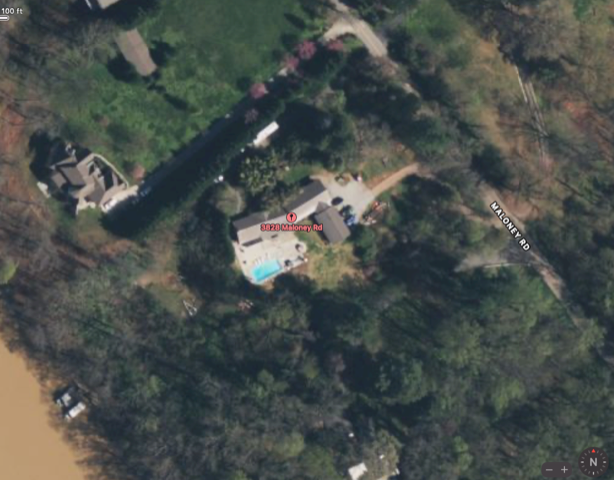


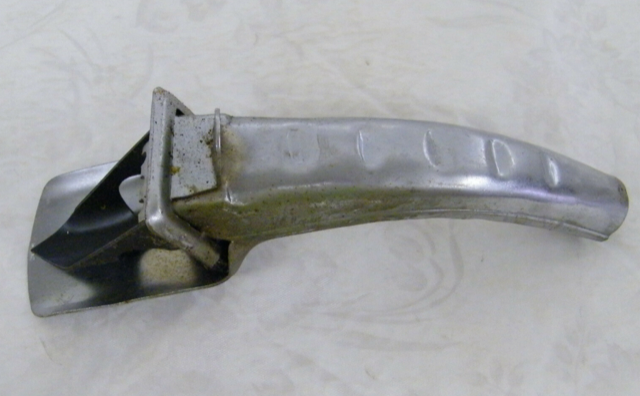


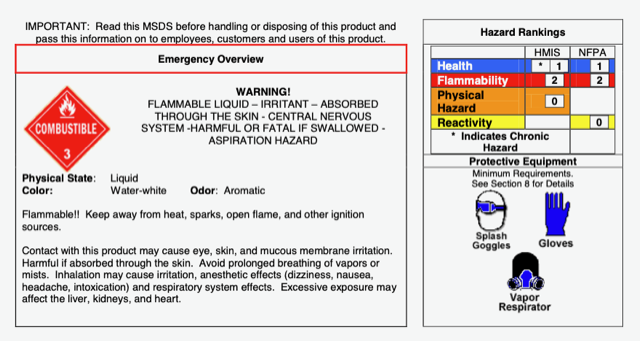


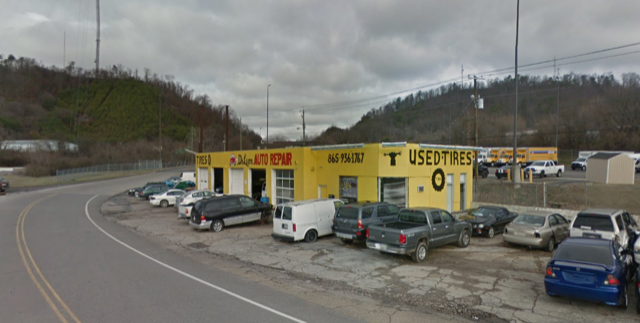

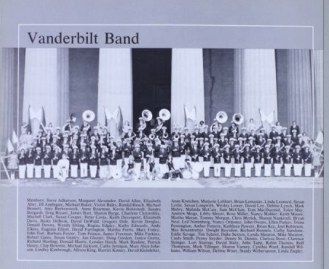
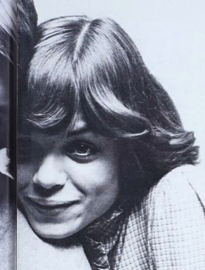
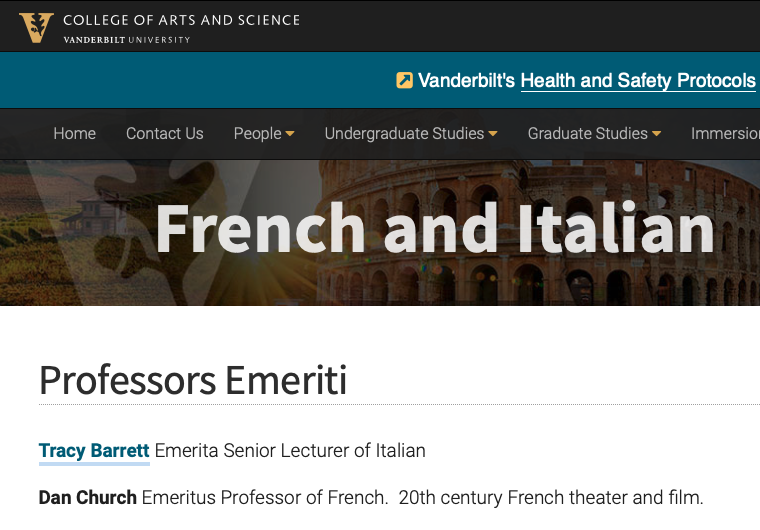
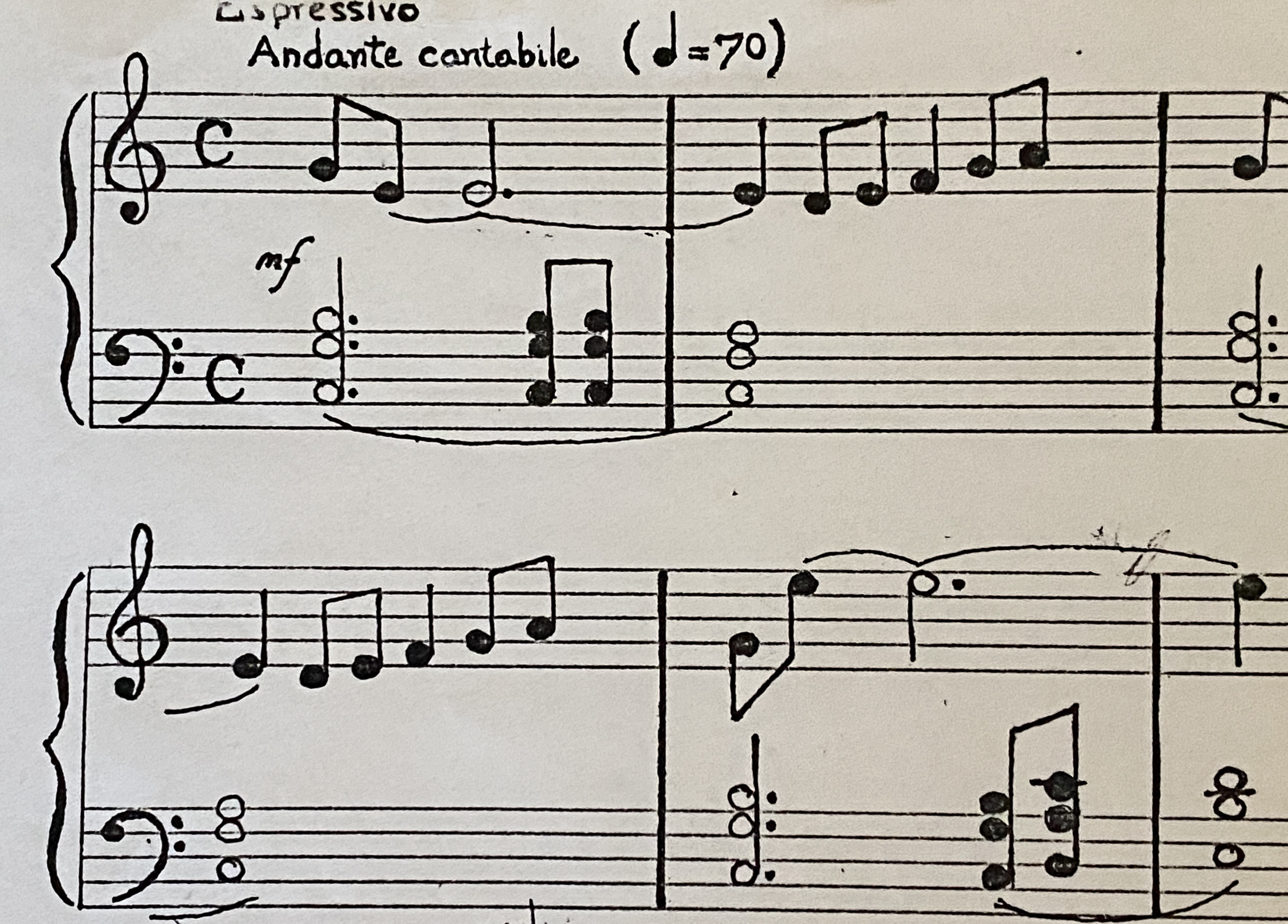
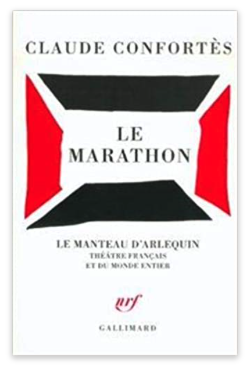
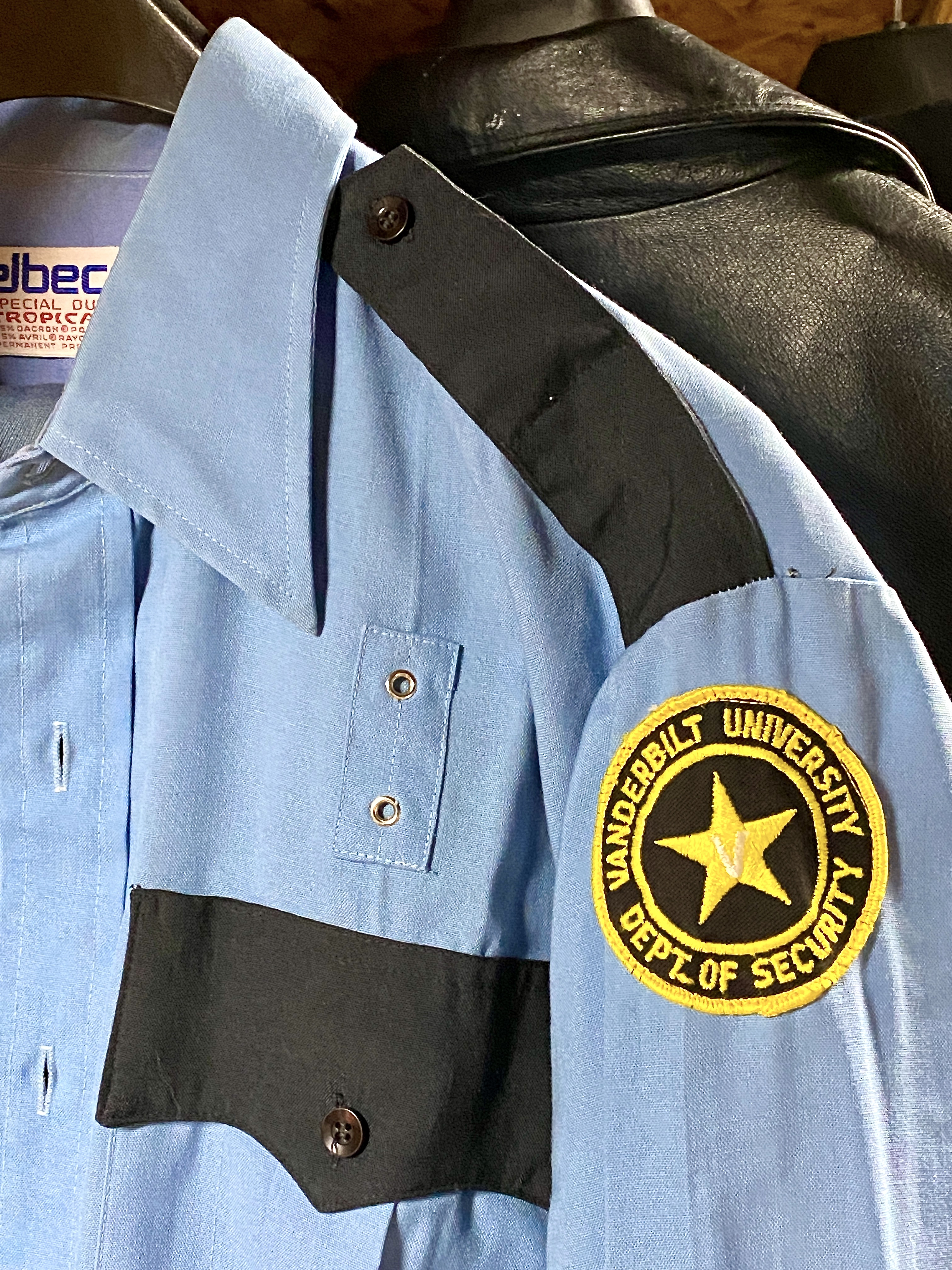
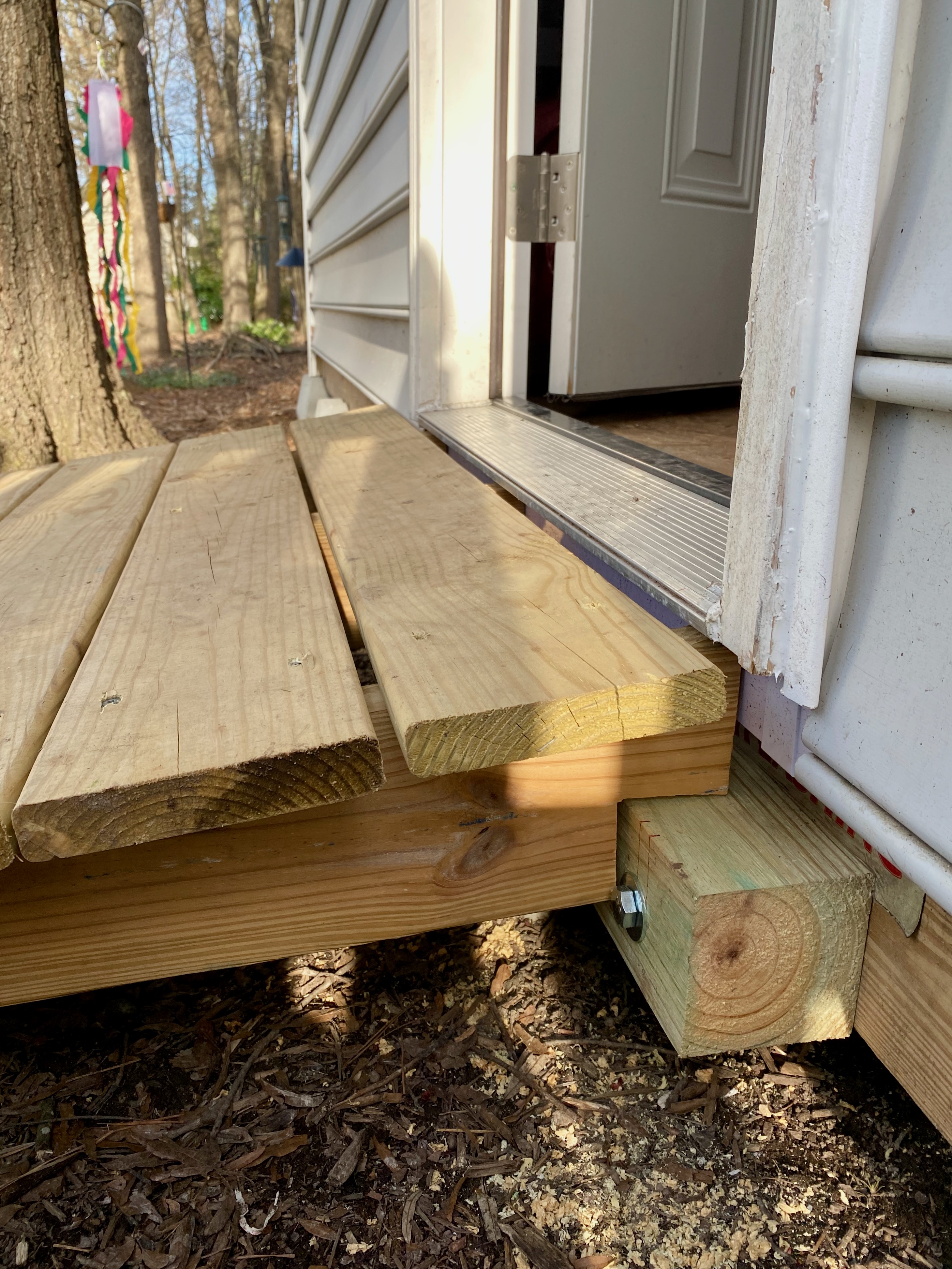


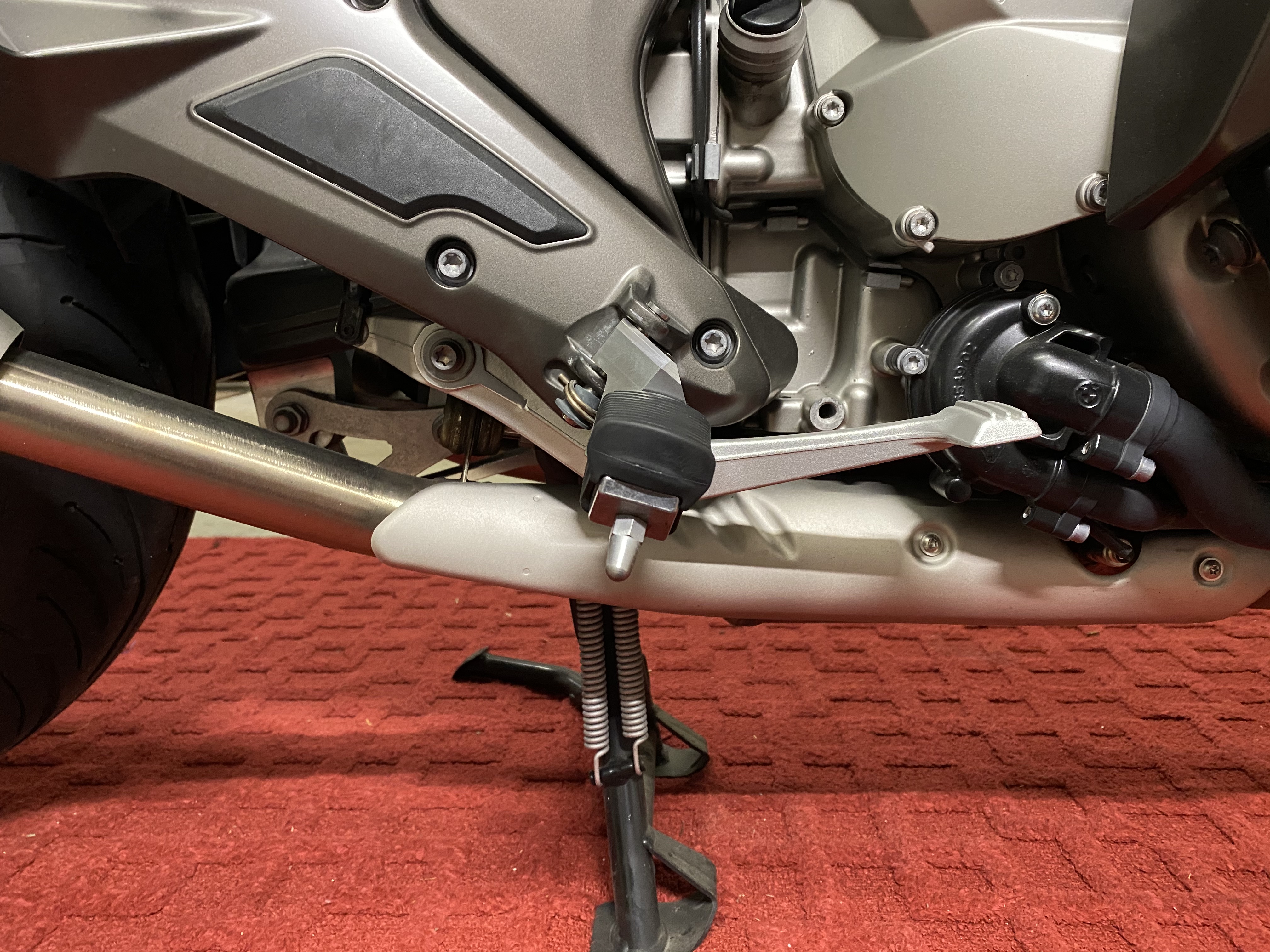
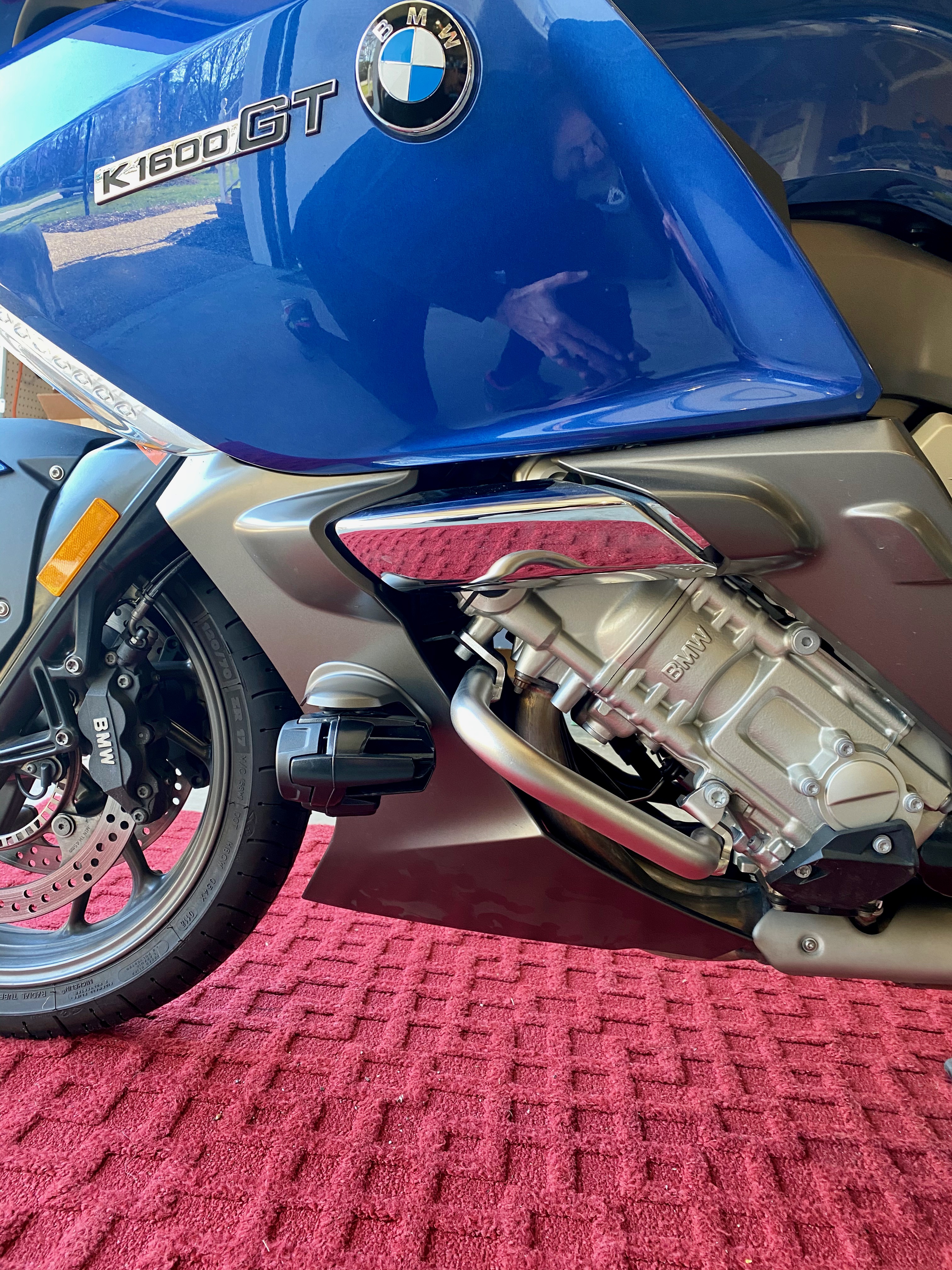
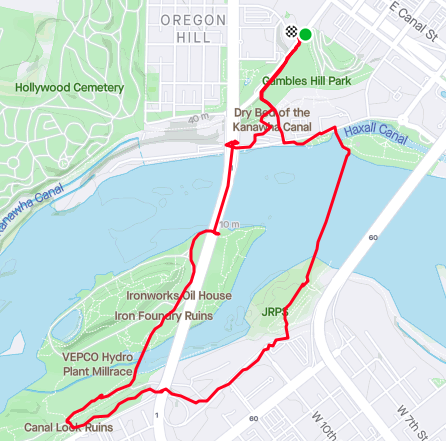


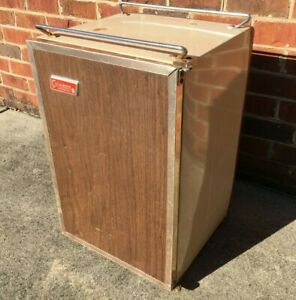
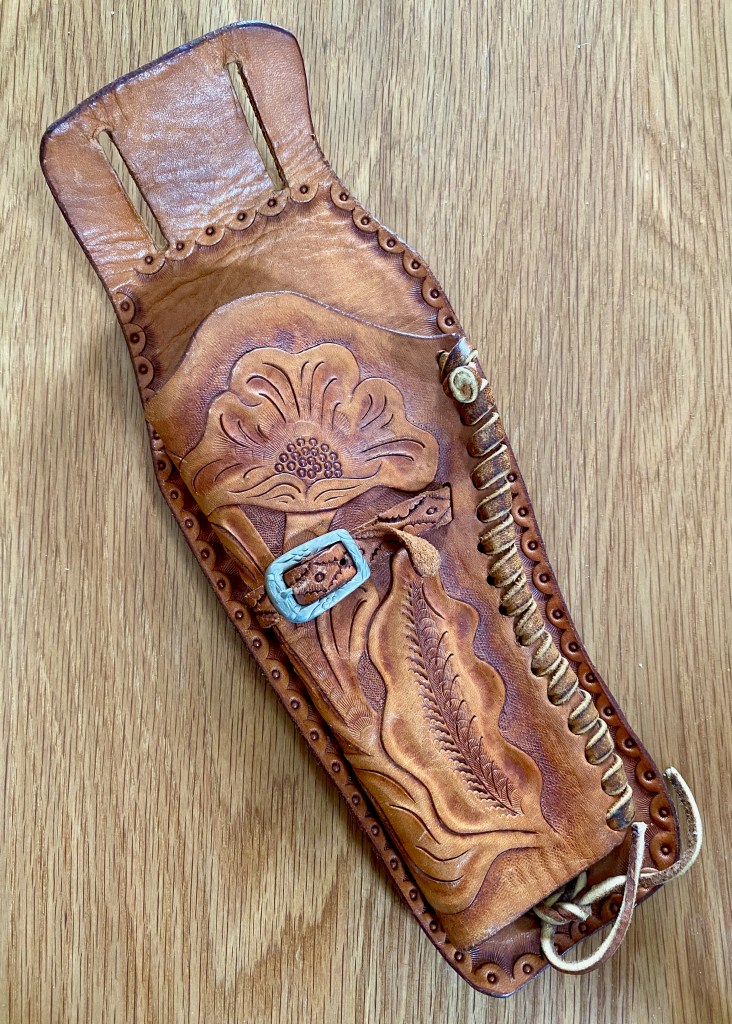

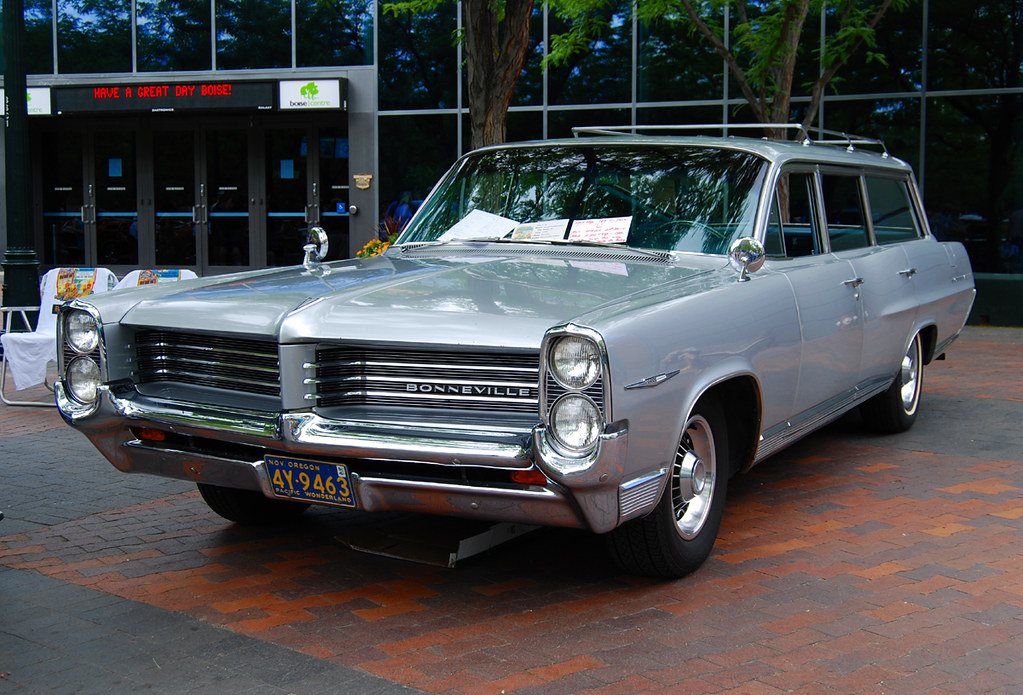




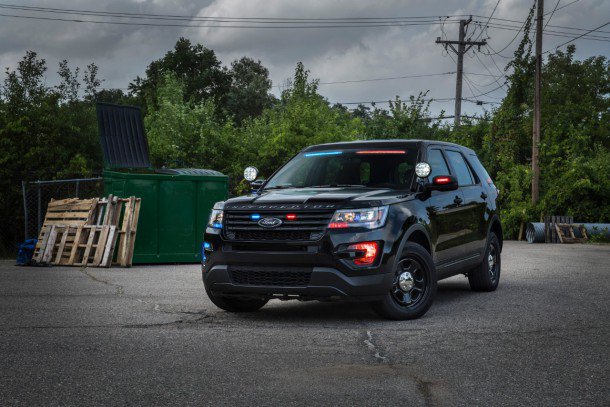


 Seeking To Understand